Structure
Pickleball Court Resurfacing, Repair & Refurbishment Guide
Apr 16 2026
The Pickleball Boom and Its Aftermath in Malaysia
A few years ago, pickleball courts were sprouting up everywhere — in residential compounds, sports complexes, hotels, and schools. The sport swept through Southeast Asia with remarkable speed, and Malaysia was no exception. Cities like Kuala Lumpur, Petaling Jaya, Penang, and Johor Bahru all saw a surge in court construction as demand outpaced supply. It was an exciting period for both players and property developers alike.
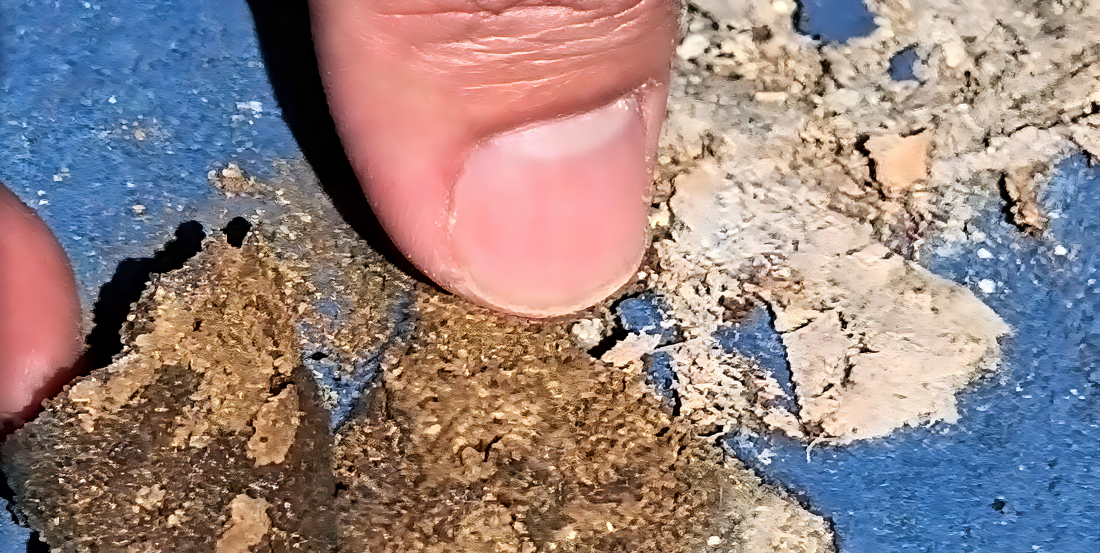
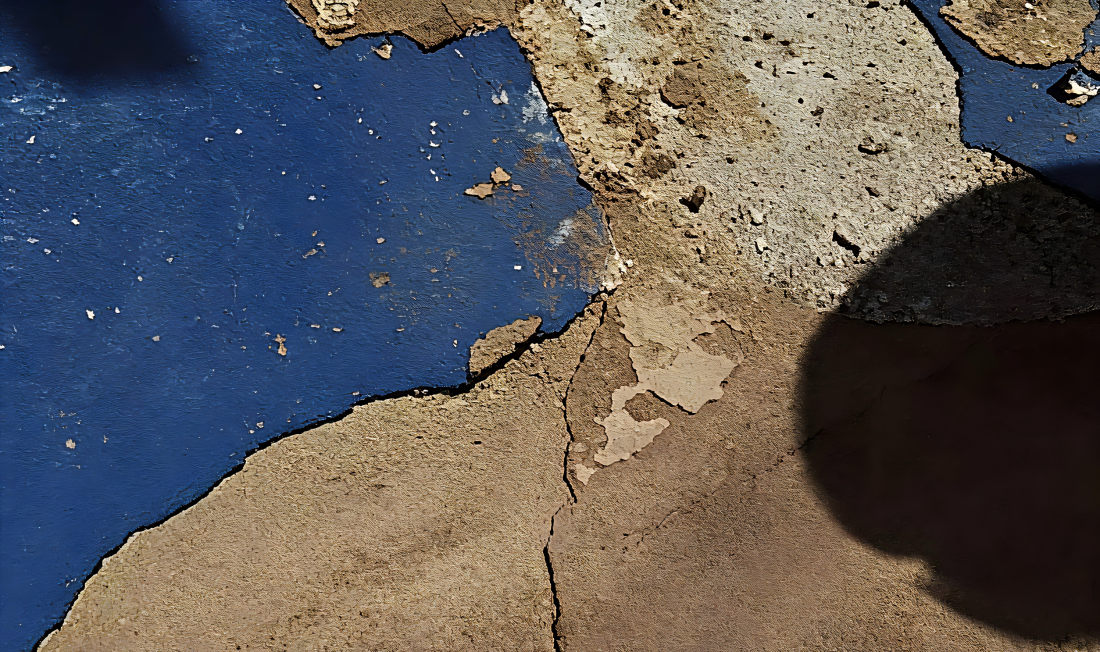
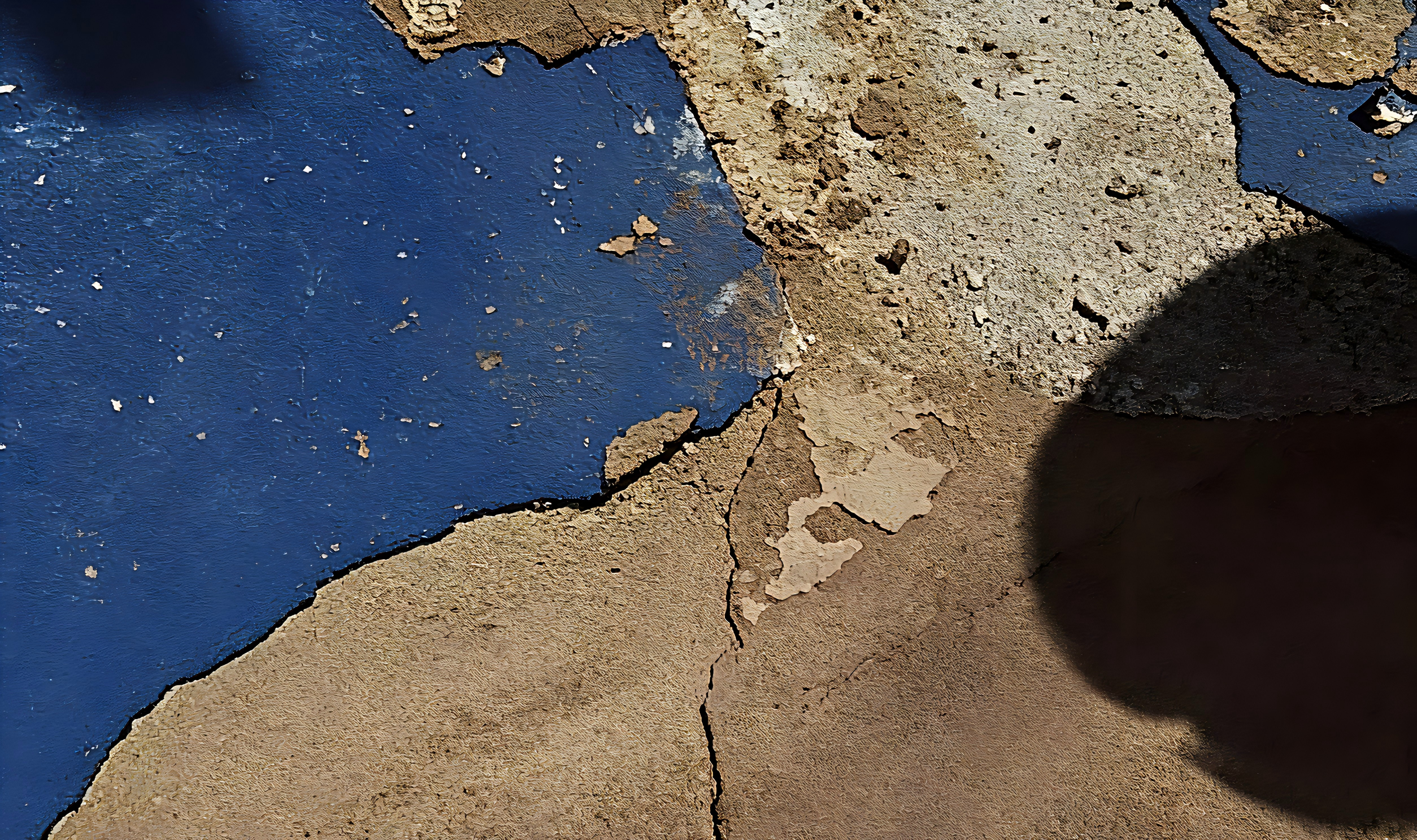
However, the same courts that were built with enthusiasm during the pickleball craze are now beginning to show their age. Paint is peeling. Surfaces are cracking. Line markings have faded under the tropical sun and relentless monsoon rains. What was once a vibrant, well-maintained sport court has, in many cases, become a safety hazard and an eyesore. The question courts owners, facility managers, and homeowner associations are now asking is simple: what do we do about it?
The answer lies in pickleball court resurfacing, sport court repair, and full-scale pickleball court refurbishment — three services that are quickly growing in demand across Malaysia.
Why Pickleball Courts Deteriorate Faster in Malaysia
Malaysia's climate is among the most demanding for outdoor court surfaces in the world. With temperatures regularly exceeding 32°C and rainfall that can be both intense and unpredictable, the tropical environment accelerates the degradation of acrylic coatings and underlying court materials. UV radiation breaks down surface pigments, causing colour fading and brittleness. Standing water from poor drainage penetrates micro-cracks, expanding them over time. The result is a surface that can go from minor blemishes to significant structural damage within just two to three years of heavy use.
Beyond the weather, the intense foot traffic of a sport like pickleball takes a real toll. Unlike tennis, pickleball involves rapid lateral movement, quick stops, and frequent slides — all of which stress the surface coating more than a typical sport. Courts built with thin paint layers or low-grade acrylic materials are particularly vulnerable. Those constructed during the peak of the pickleball boom, when contractors were working quickly to meet high demand, may not have received the level of substrate preparation and coating thickness that long-term durability requires.
Common Signs Your Sport Court Needs Repair
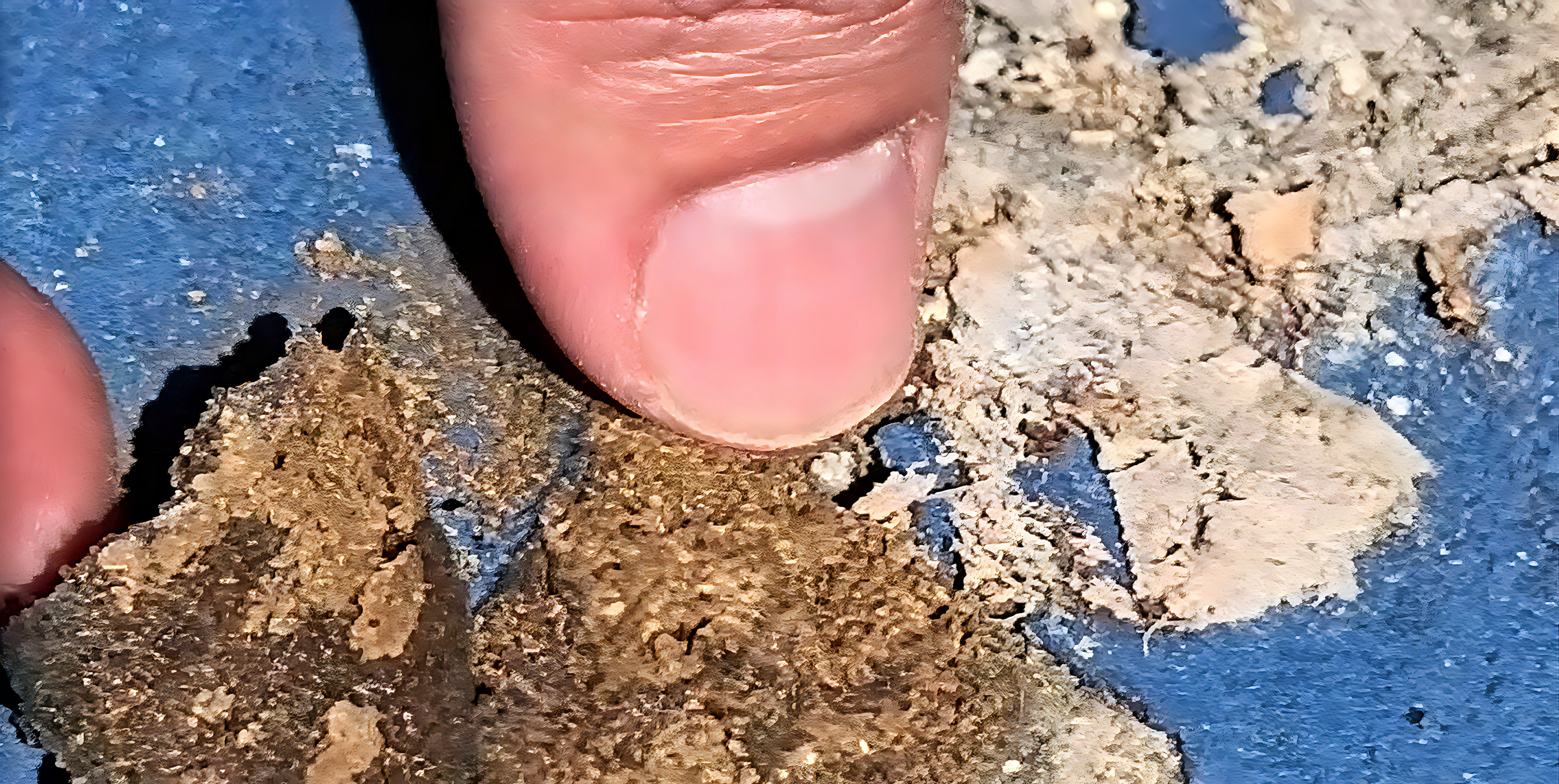
Knowing when to act is half the battle. Several clear indicators signal that a pickleball court has reached the point where repair or resurfacing is necessary. Peeling or flaking paint is usually the first visible warning sign, followed by surface bubbling where moisture has become trapped beneath the acrylic layer. Faded line markings reduce gameplay safety and make competitive play difficult. Hairline cracks that spread across the court are a sign of substrate movement or inadequate initial construction. Uneven drainage causing water pooling is another concern, as standing water accelerates damage and can create slip hazards for players.
If your court is showing any combination of these problems, it is time to consult a professional about sport court repair in Malaysia before the condition worsens and the cost of restoration increases significantly.
Understanding Pickleball Court Resurfacing
Pickleball court resurfacing is the process of applying new surface coatings over an existing court base after proper preparation. It is not simply a fresh coat of paint. Done correctly, resurfacing involves a thorough assessment of the existing surface, removal of loose or damaged material, crack filling, and the application of specialised acrylic or polyurethane coatings in multiple layers. Each layer serves a specific purpose — base coats provide adhesion and fill minor imperfections, while finish coats deliver the performance characteristics players expect, including the right level of grip, consistency, and ball response.
In Malaysia, resurfacing projects typically include new line marking in standard pickleball dimensions — 44 feet long by 20 feet wide — using durable, UV-resistant paints that can withstand the local climate. Some facility owners also take the opportunity to reconfigure their courts, converting dedicated pickleball courts into multi-use surfaces that can accommodate badminton, basketball, or other sports, maximising the return on investment from the resurfacing work.
Resurfacing vs. Repair: What Is the Difference?
Many facility managers confuse resurfacing with repair, but the two are distinct processes that address different levels of damage. Sport court repair focuses on targeted interventions — filling specific cracks, patching delaminated areas, or correcting drainage issues — without replacing the entire surface layer. Repair is appropriate when the majority of the court surface is still sound and only isolated sections are compromised.
Resurfacing, by contrast, addresses widespread deterioration. When the surface coating is failing across more than roughly a third of the court area, repairs become piecemeal and rarely deliver a uniform finish. Resurfacing the entire court ensures consistency in colour, texture, and performance — and it typically costs less in the long run than repeatedly patching a failing surface.
What Does Full Pickleball Court Refurbishment Involve?
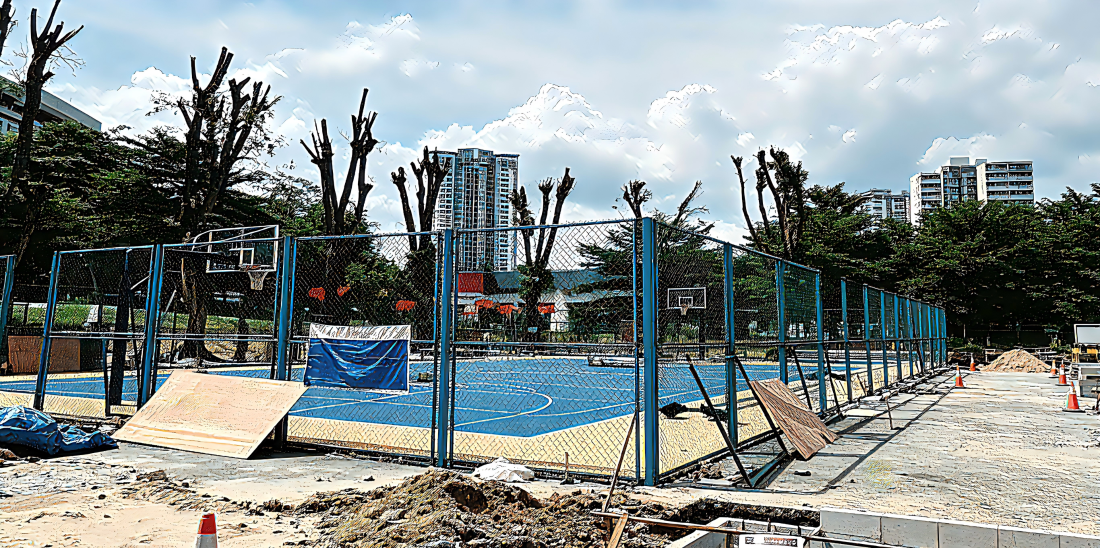
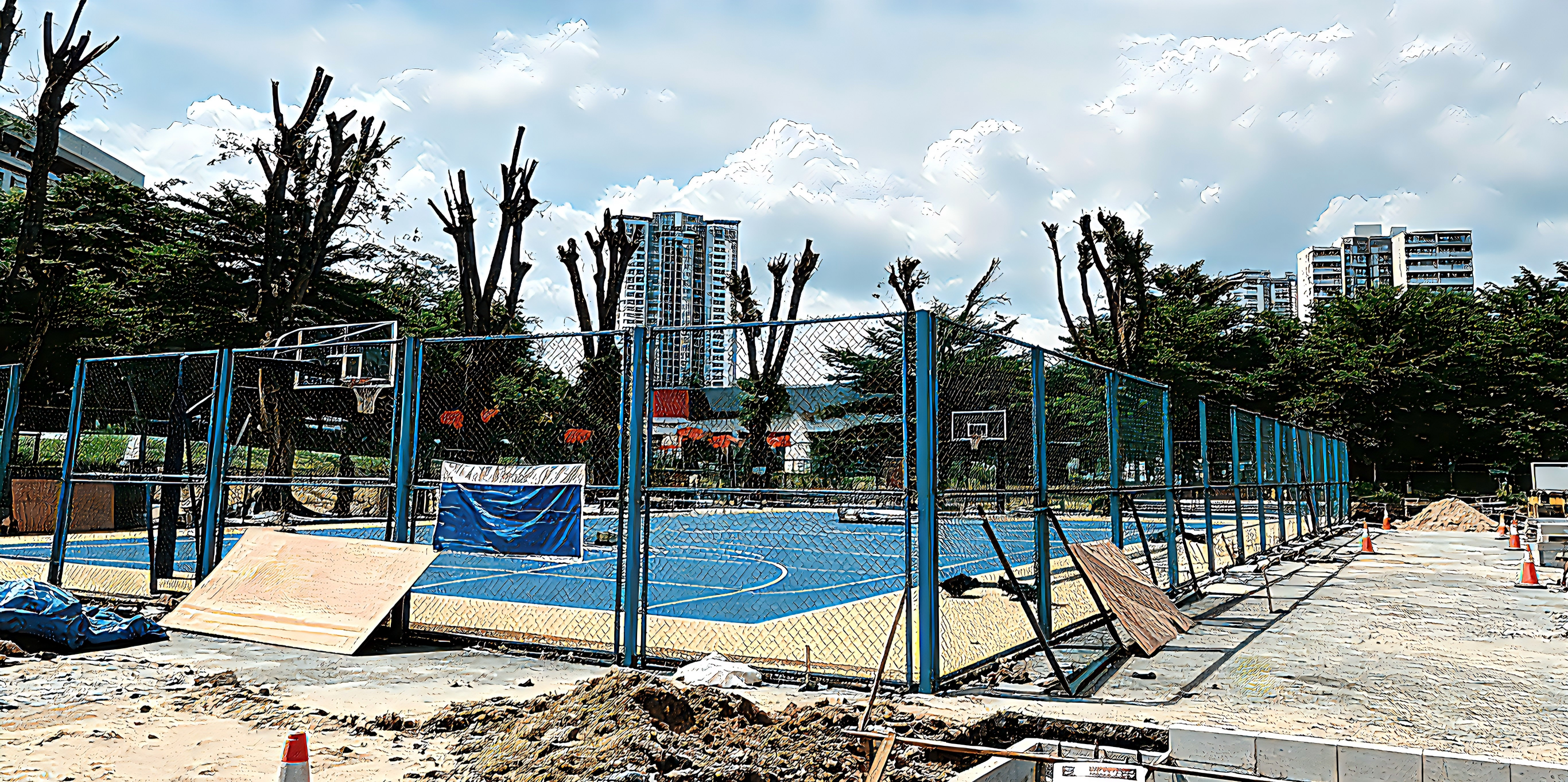
When a court has deteriorated beyond what resurfacing can address — for example, when the underlying concrete or asphalt base has developed structural issues, or when drainage problems are rooted in the sub-base rather than the surface — full pickleball court refurbishment may be necessary. This is a more comprehensive process that can include saw-cutting and removing the existing court surface, repairing or replacing the base material, installing or upgrading drainage systems, and then building up the new surface from scratch.
Full refurbishment is also the right approach when a facility wants to upgrade the performance characteristics of their courts — switching from a standard acrylic surface to a cushioned court system, for example, which reduces joint stress on players and is increasingly popular among recreational facilities and condominium developments in the Klang Valley and Penang. Refurbishment projects can also incorporate updated lighting, net post replacement, spectator seating, and perimeter fencing as part of a holistic court upgrade.
How Long Does Refurbishment Take?
The timeline for pickleball court refurbishment in Malaysia varies depending on the scope of work, the size of the facility, and weather conditions at the time of construction. A straightforward resurfacing project on a single court can often be completed within three to five working days, excluding curing time for the coatings. Full refurbishment involving base repairs or sub-base work may take two to four weeks. Weather is a significant variable — acrylic coatings cannot be applied in wet conditions or immediately after rain, which means scheduling around Malaysia's wet seasons requires careful planning.
The Cost of Sport Court Repair and Resurfacing in Malaysia
Cost is naturally a primary concern for any facility manager or property owner considering sport court repair in Malaysia. Pricing varies considerably based on the type of work required, the size of the court, the materials selected, and the contractor engaged. As a general guide, basic crack repair and line marking touch-ups represent the most affordable option, while full resurfacing with high-grade acrylic systems sits in a mid-range price bracket. Premium cushioned court systems and full refurbishment projects naturally command higher investment but deliver correspondingly longer service life and better player experience.
It is worth noting that delaying necessary maintenance consistently increases total cost. A court that could be restored through resurfacing today may require full refurbishment if the base is allowed to deteriorate further. For large residential developments, hotels, and sports clubs across Malaysia — where multiple courts may be managed under a single budget — phased maintenance schedules that address courts on a rotating cycle can help spread expenditure while ensuring no court falls into severe disrepair.
Choosing the Right Contractor for Pickleball Court Resurfacing in Malaysia
Not all contractors are equal when it comes to sport court work. Pickleball court resurfacing and refurbishment require specialised knowledge of surface coatings, drainage design, and court geometry that is quite different from general construction or painting work. When evaluating contractors in Malaysia, facility owners should look for demonstrated experience with acrylic sport surfaces, verifiable references from comparable projects, and a clear understanding of the differences between pickleball and tennis court specifications.
A reputable contractor will begin any project with a thorough condition assessment, including moisture testing of the existing surface and a structural evaluation of the base. They should be able to explain clearly what preparation work is needed before any new coatings are applied, because surface preparation is arguably the most critical factor in determining how long the finished work will last. Shortcuts in preparation almost always lead to early failure of the new surface, no matter how good the coating material itself may be.